Roof on, brickwork up, services in, and the last look before the linings.
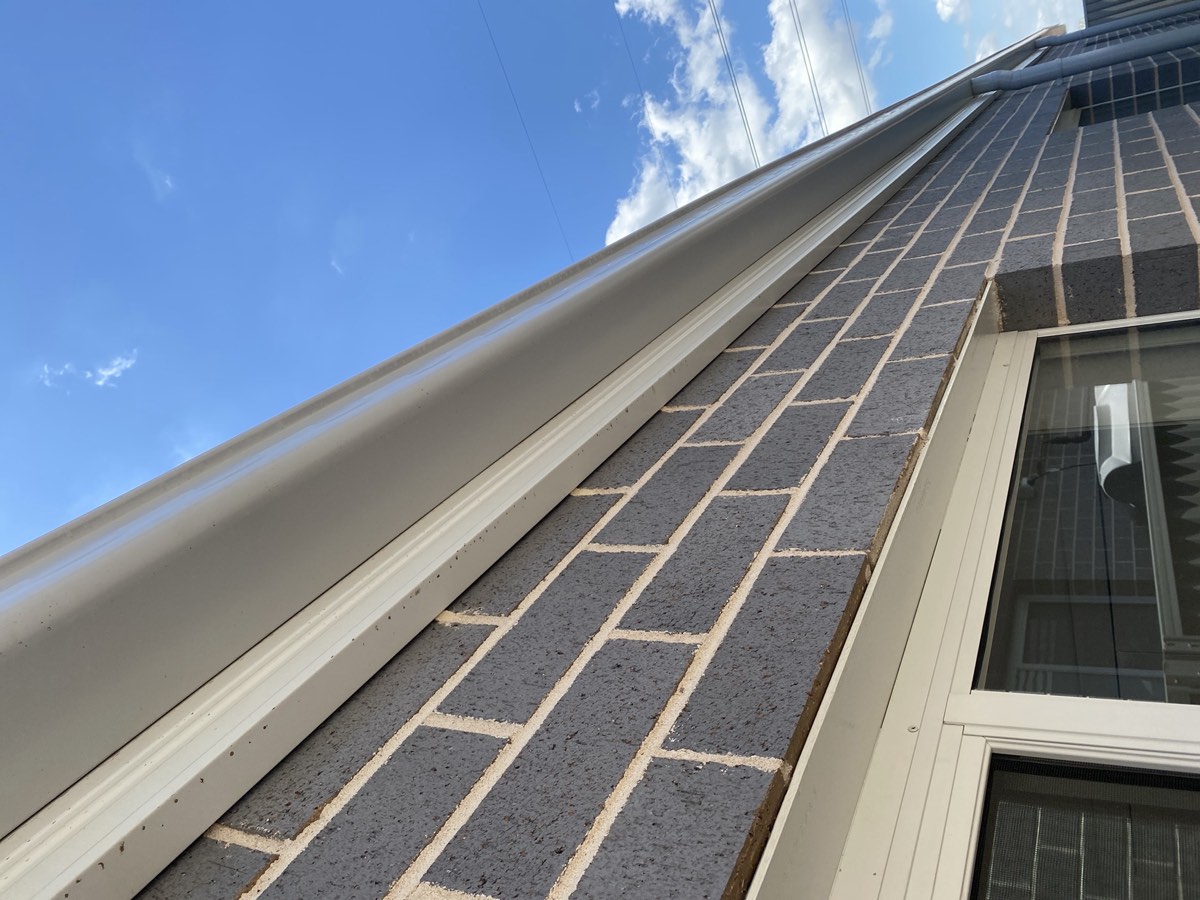
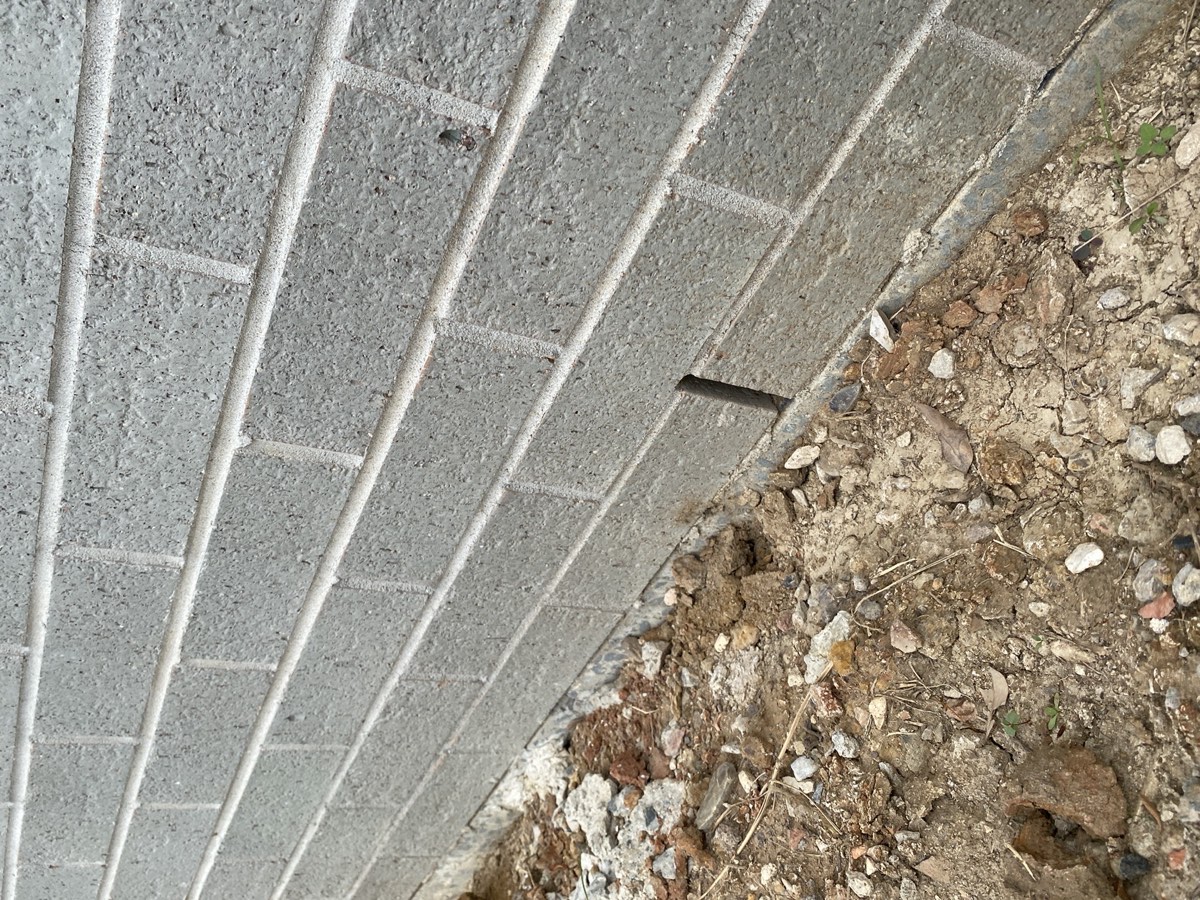
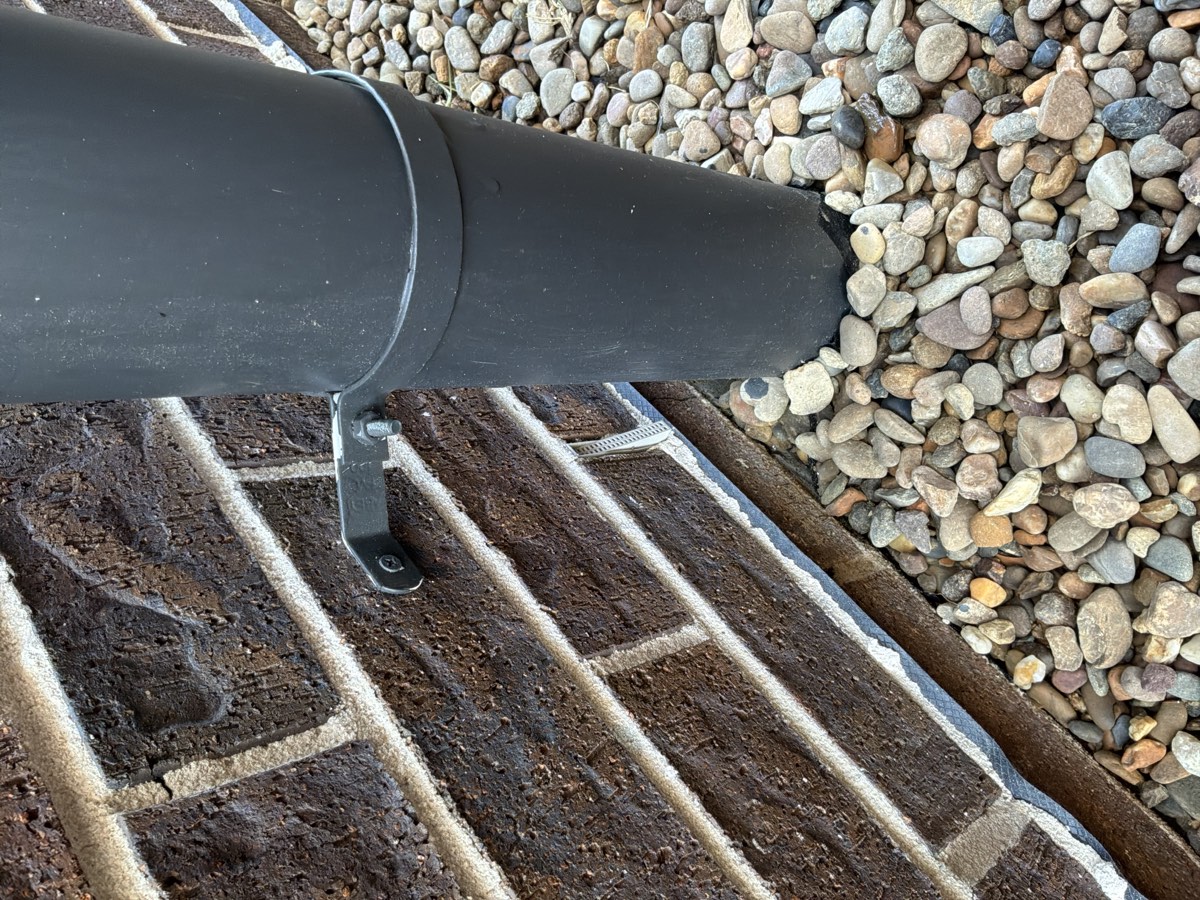
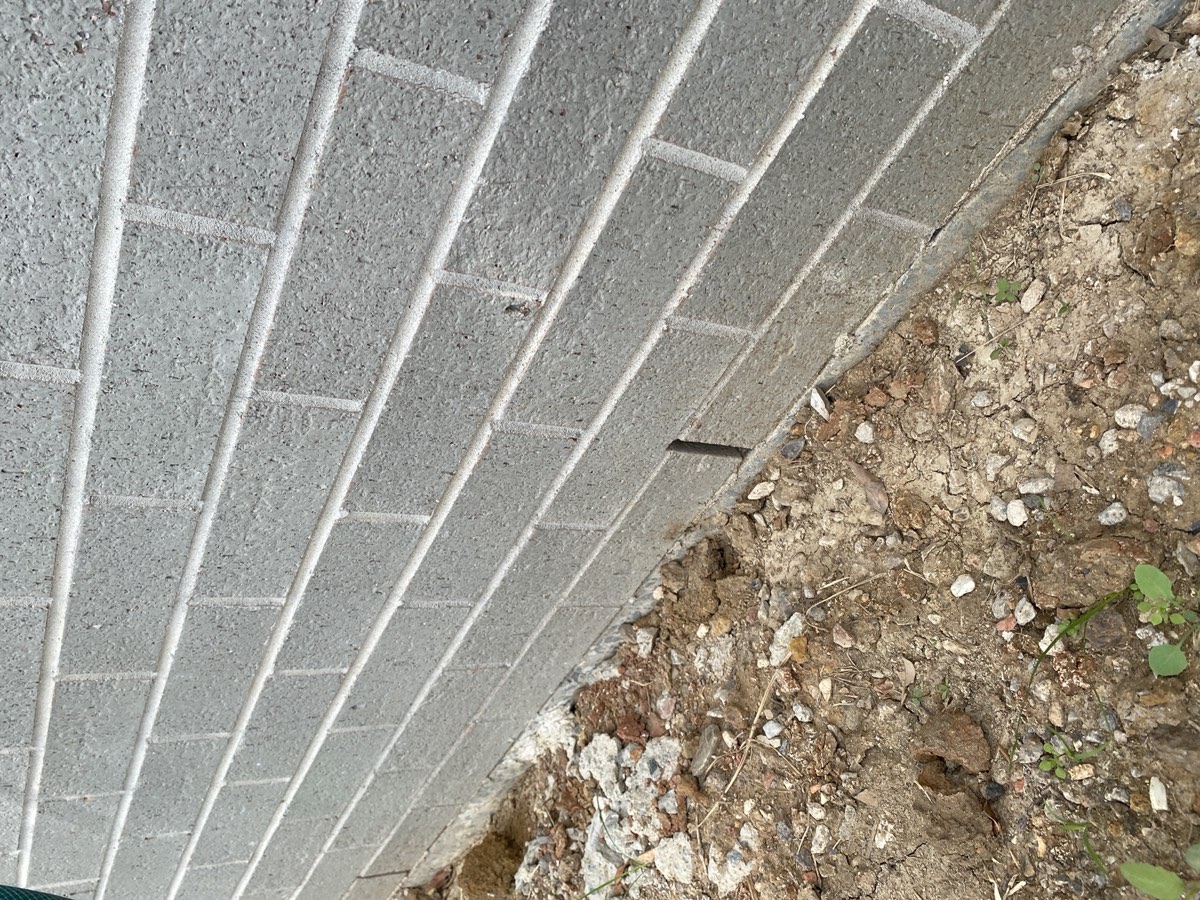
This is the stage the Riverstone evidence argues for hardest. Weep holes missing, weep holes sitting higher than they should, weep holes not resting on their flashing and damp proof course detail at the brickwork were all recorded at practical completion on these jobs. Every one of them belongs here, at lock-up, when the brickwork is accessible and a correction costs almost nothing. Every photograph on this page was taken at practical completion, not at this stage. They are here because each one is an item that belongs earlier in the build and survived to handover, which is the clearest argument we can make for inspecting when the work is still open.
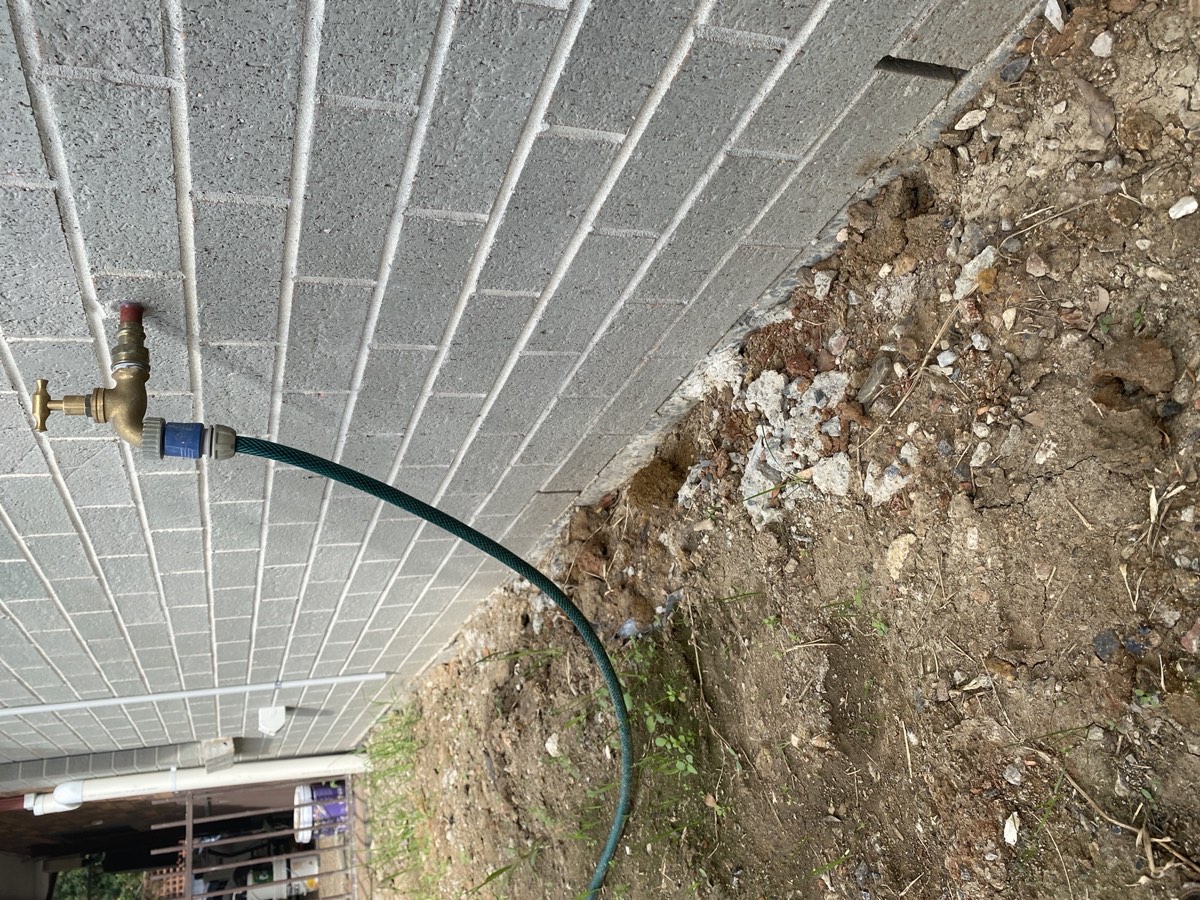
Annotated findings from Lock-up (pre-plaster) inspections on Riverstone builds. Client addresses withheld.
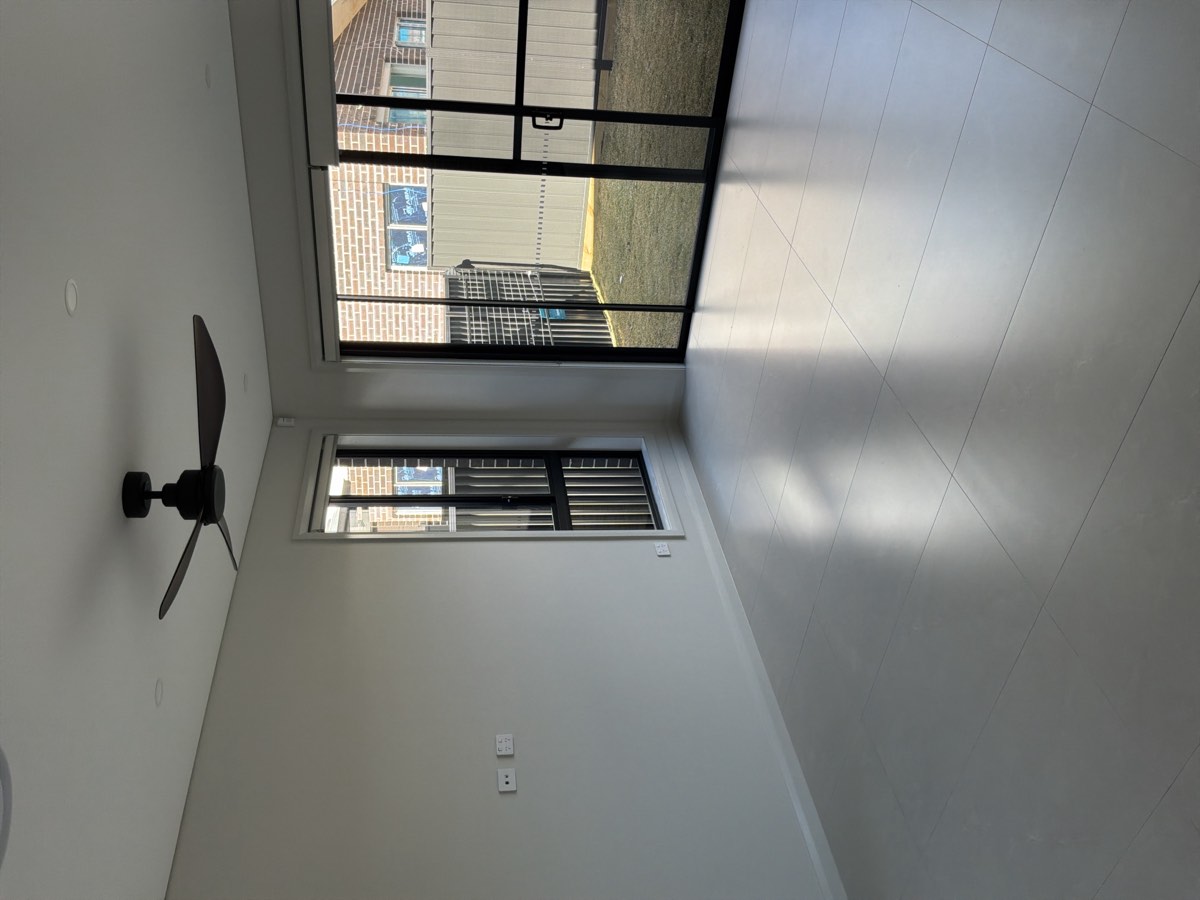 1Bored piersAfter boring and cage placement, before concrete
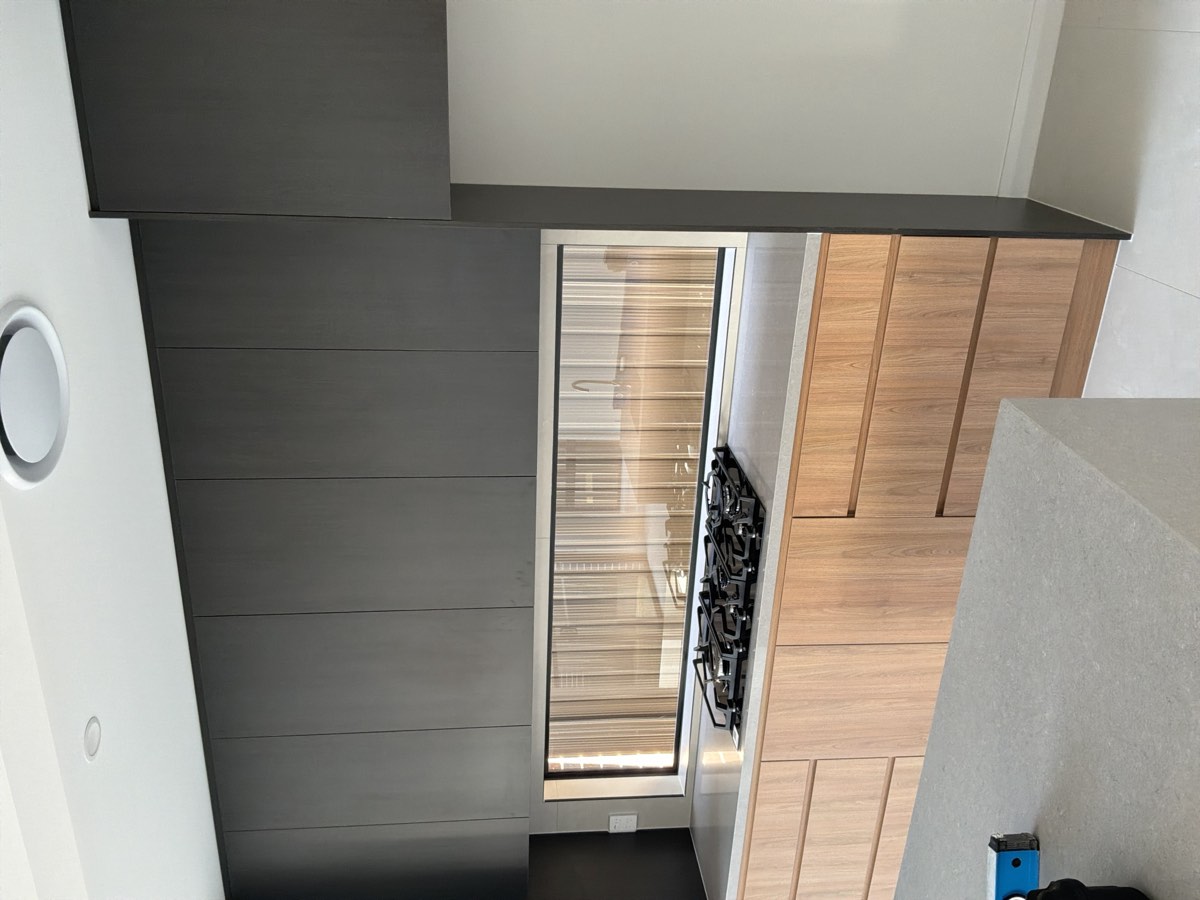 2Slab pre-pourThe day before the pour, steel and formwork complete
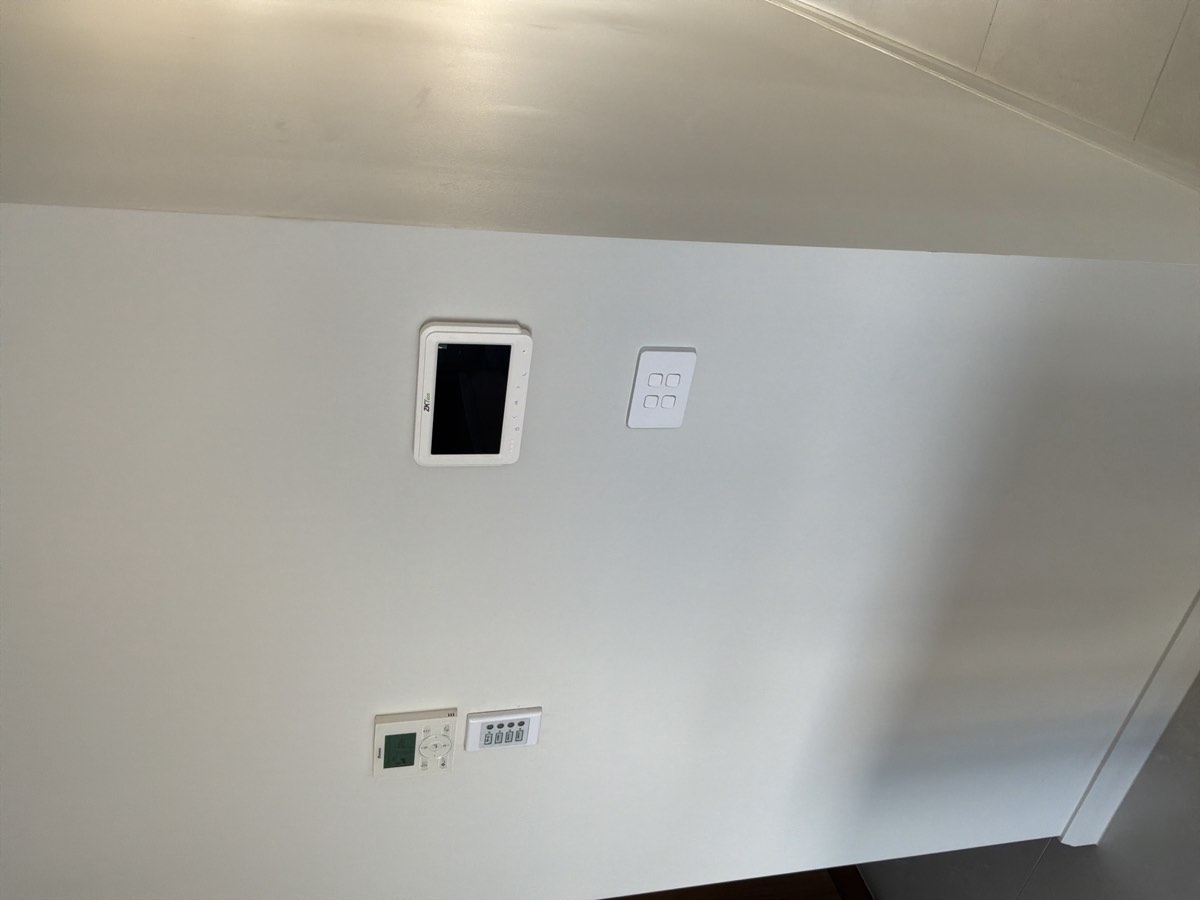 3FrameOnce frame and trusses are up and the roof is on, before lining
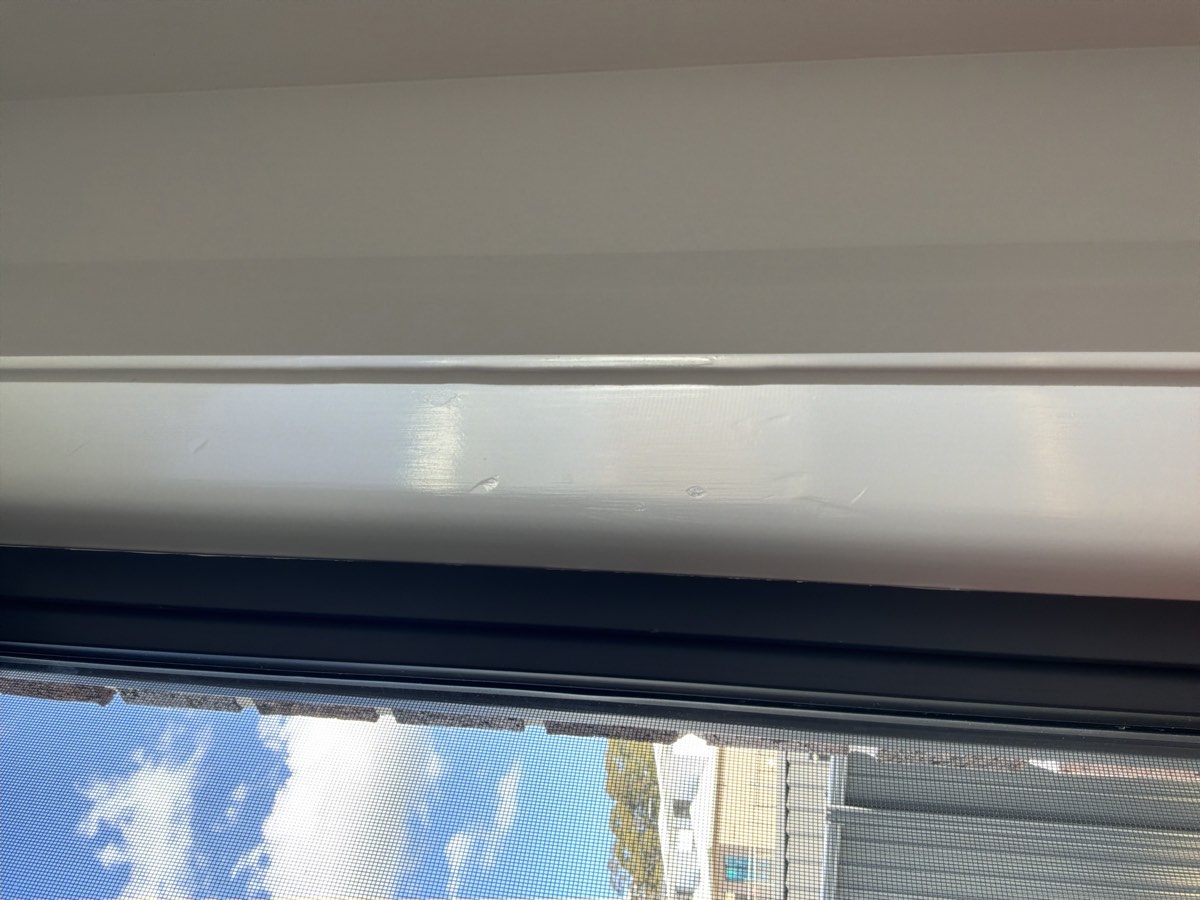 5FixingAfter mouldings, doors and joinery, before the painter
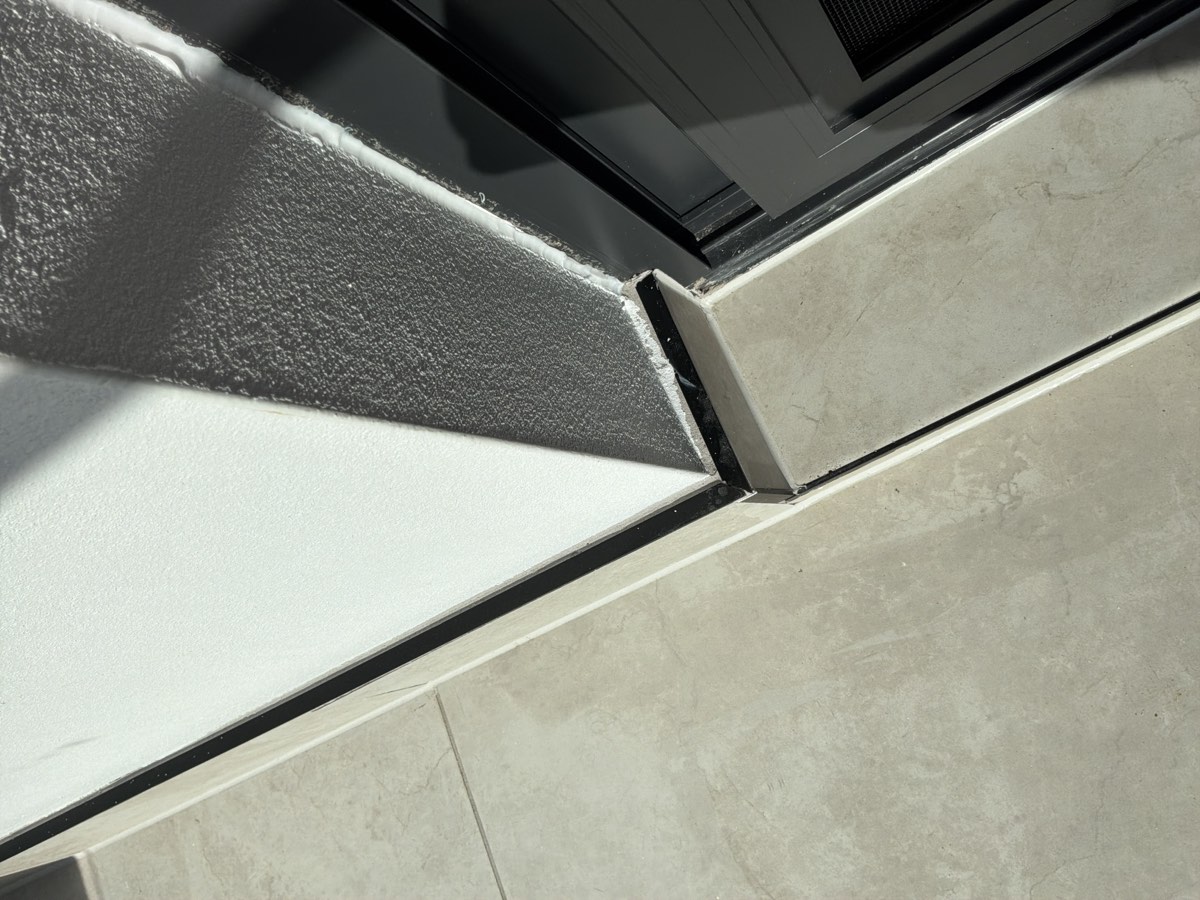 6WaterproofingAfter the membrane is applied and before any tile is laid7Pre-handover (PCI)Two to three weeks before your handover date
Instant online pricing, or talk to the booking team on 1300 471 805.
It drains the cavity. Water that gets behind the brick runs down the cavity, lands on a flashing, and leaves through the weep hole. Remove any part of that and the water stays inside the wall.
Because the flashing is what carries the water to it. A weep hole above the flashing line drains nothing; the water simply passes beneath it and continues down.
Yes, two names for the same window, defined by services in and linings not.
About two hours plus the report.
We assess what is still exposed and record which areas were already closed.
On this evidence, yes. Everything above was found at handover on Riverstone homes, which means it was missed at lock-up.