Fully licensed & accredited
-
 NSW Fair Trading
-
 Australian Society of Building Consultants
-
 Strata Community Association
-
 Building Dispute Practitioners Society
A mould inspection in Riverstone starts at the stain and works back to the water feeding it. We look for the likely source, whether that is a leaking shower, condensation from everyday living or a brick wall that cannot drain, and set out the building work needed to deal with it.
One of our inspectors will call you back.
If it is urgent, email [email protected]
Fully licensed & accredited
NSW Fair Trading Australian Society of Building Consultants Strata Community Association Building Dispute Practitioners Society This is a non-destructive visual inspection of accessible areas, using a moisture meter and a thermal camera, that weighs the likely moisture source against the National Construction Code, its condensation management provisions included, and AS 3740 for domestic wet areas.
21 checkpoints across 6 areas on a standard Riverstone mould and moisture inspection. We need the property accessible and, on a new build, the builder aware an independent inspector is attending. Anything not complete on the day is recorded as such rather than passed.
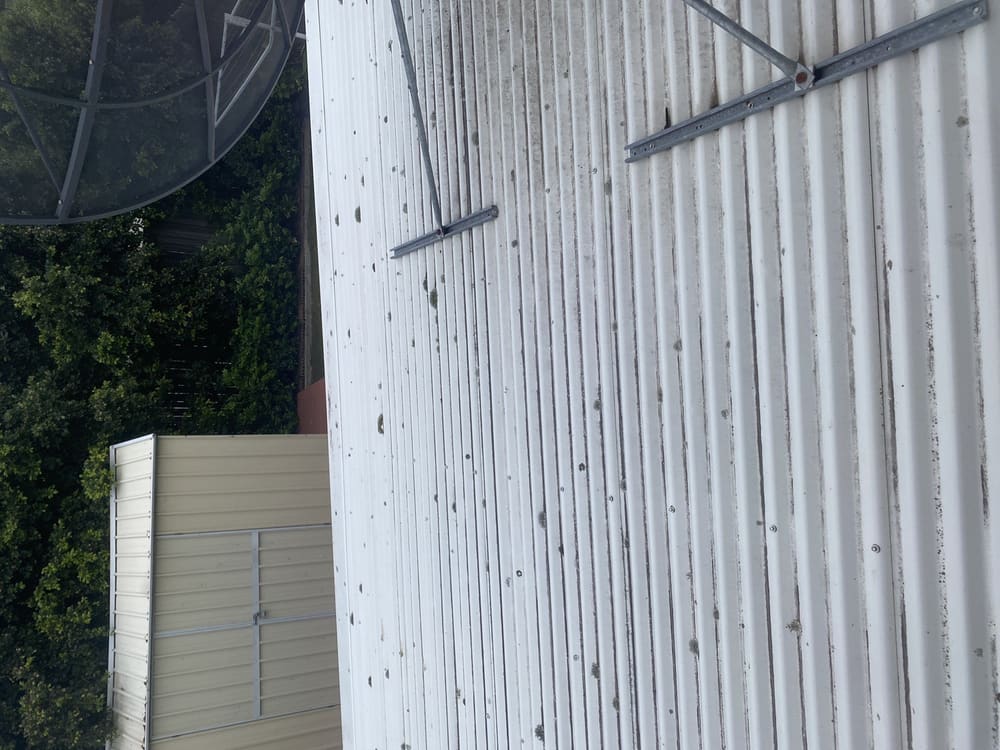
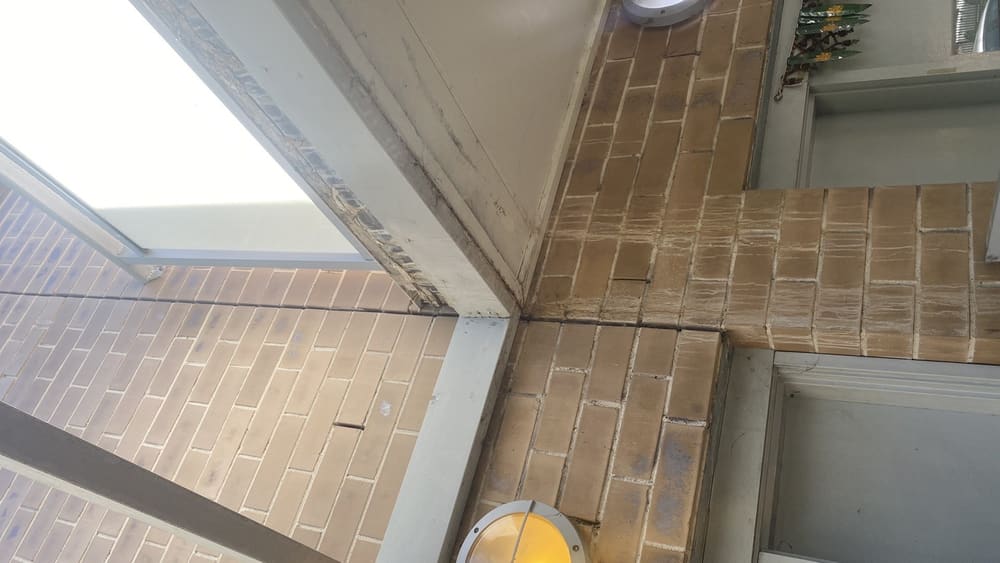
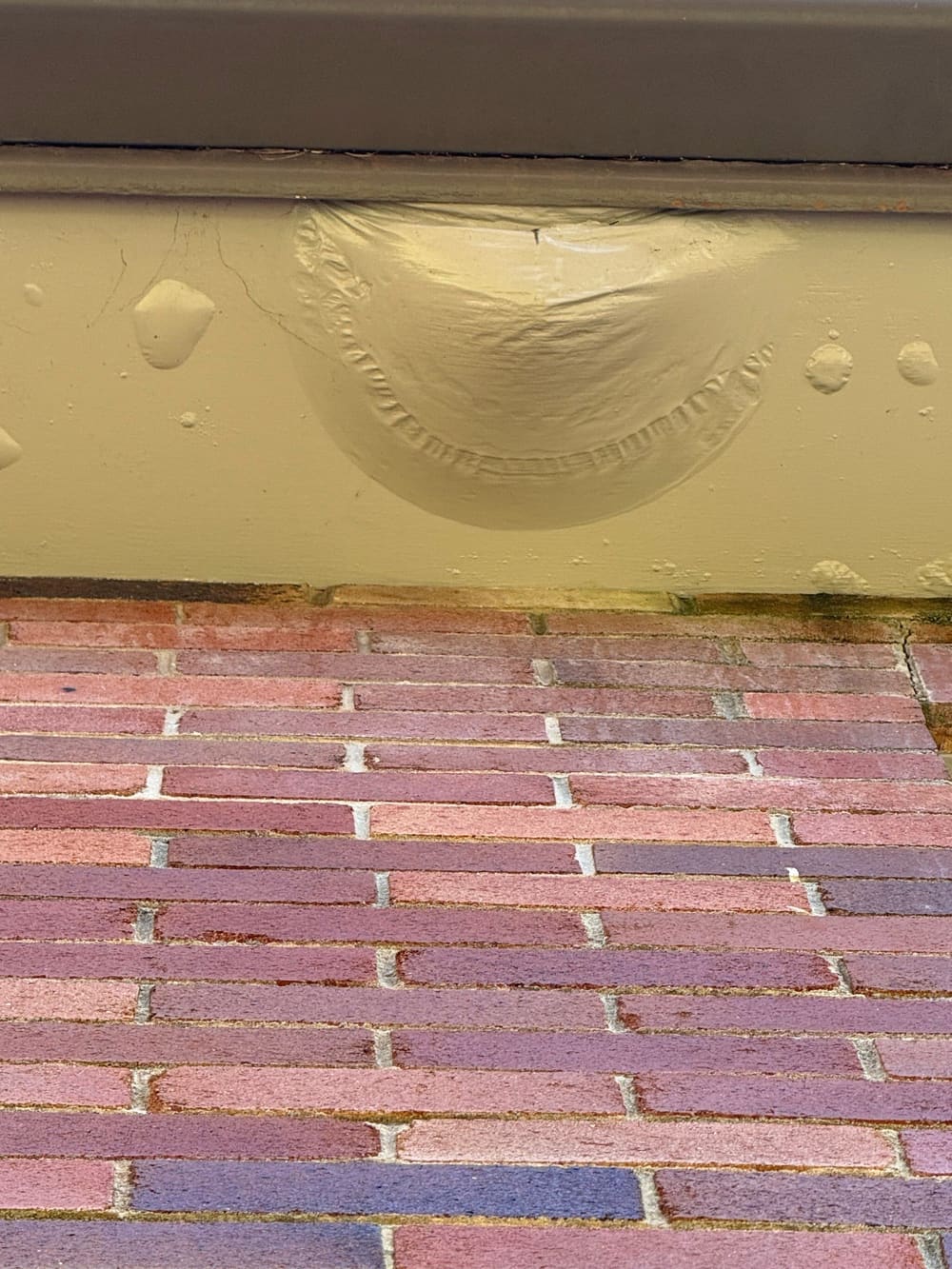
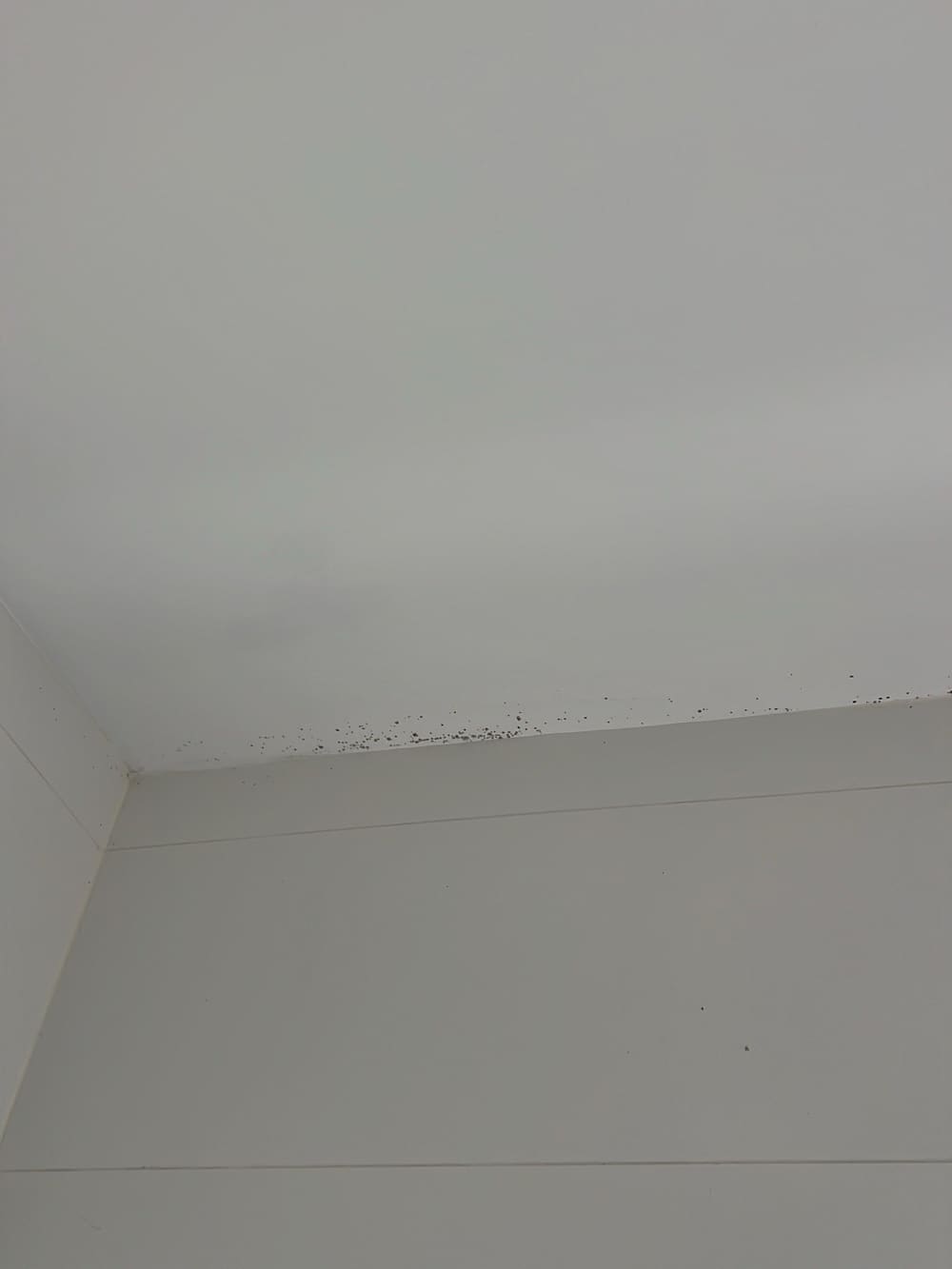
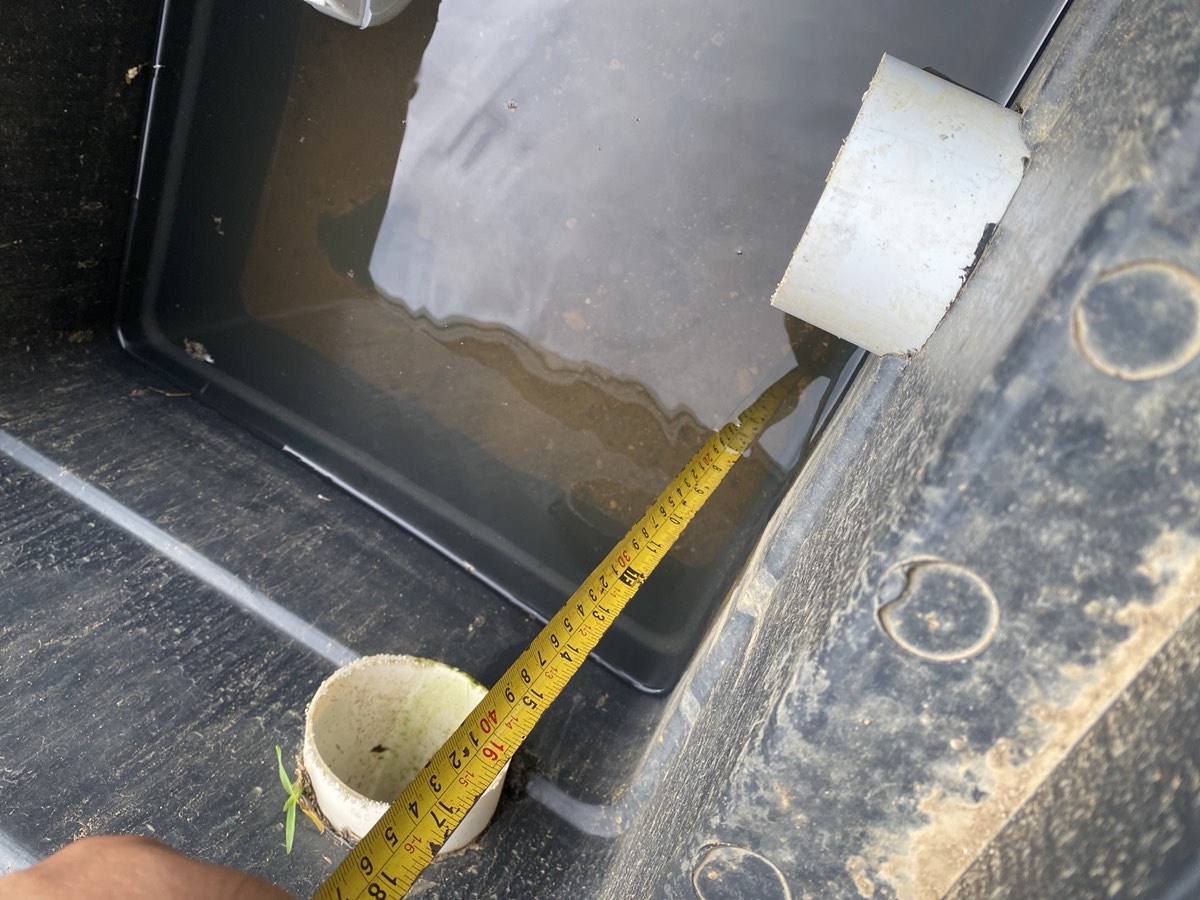
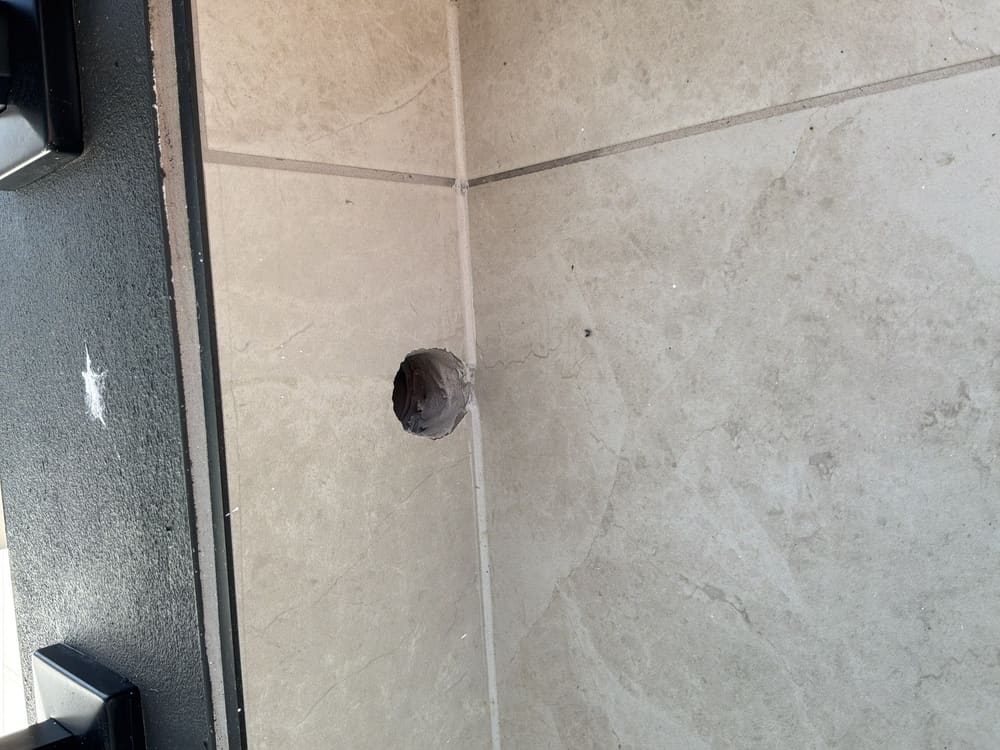
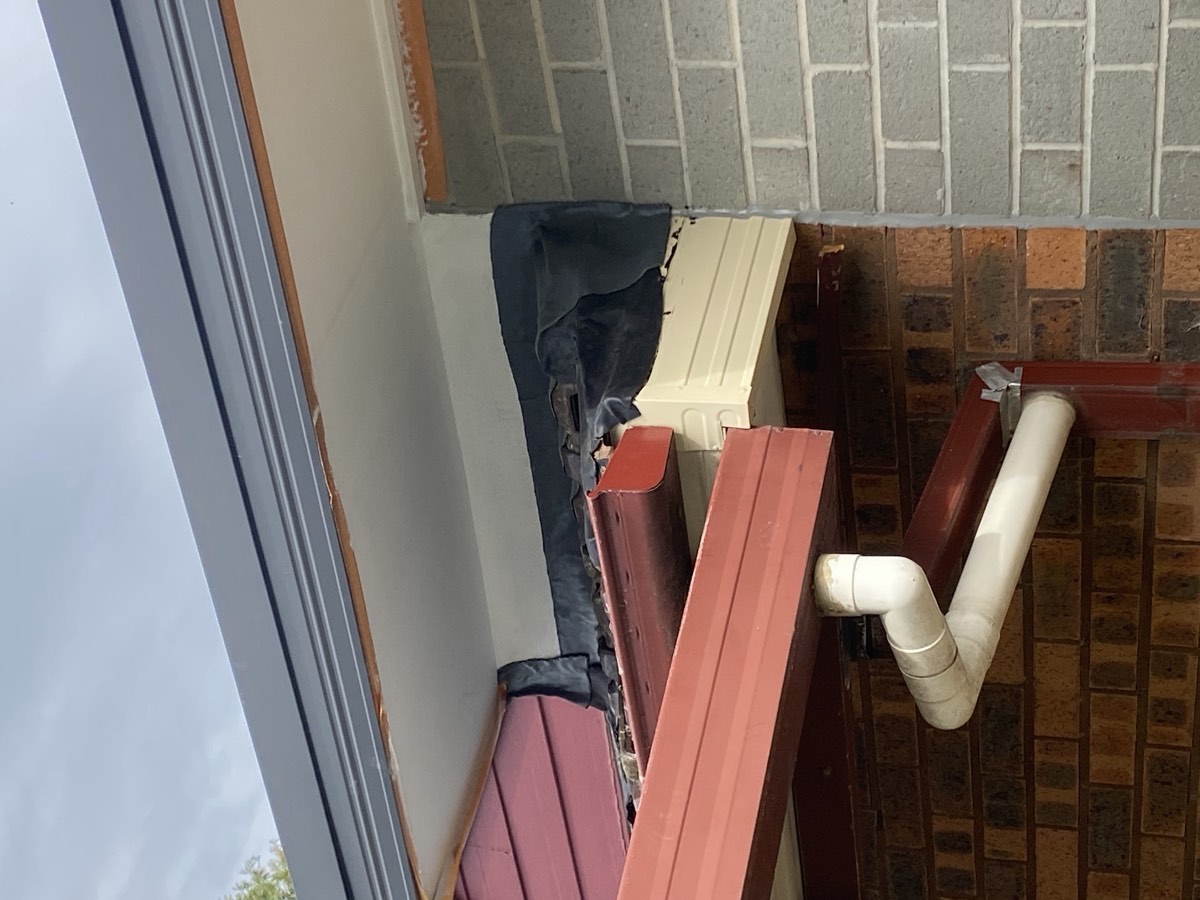
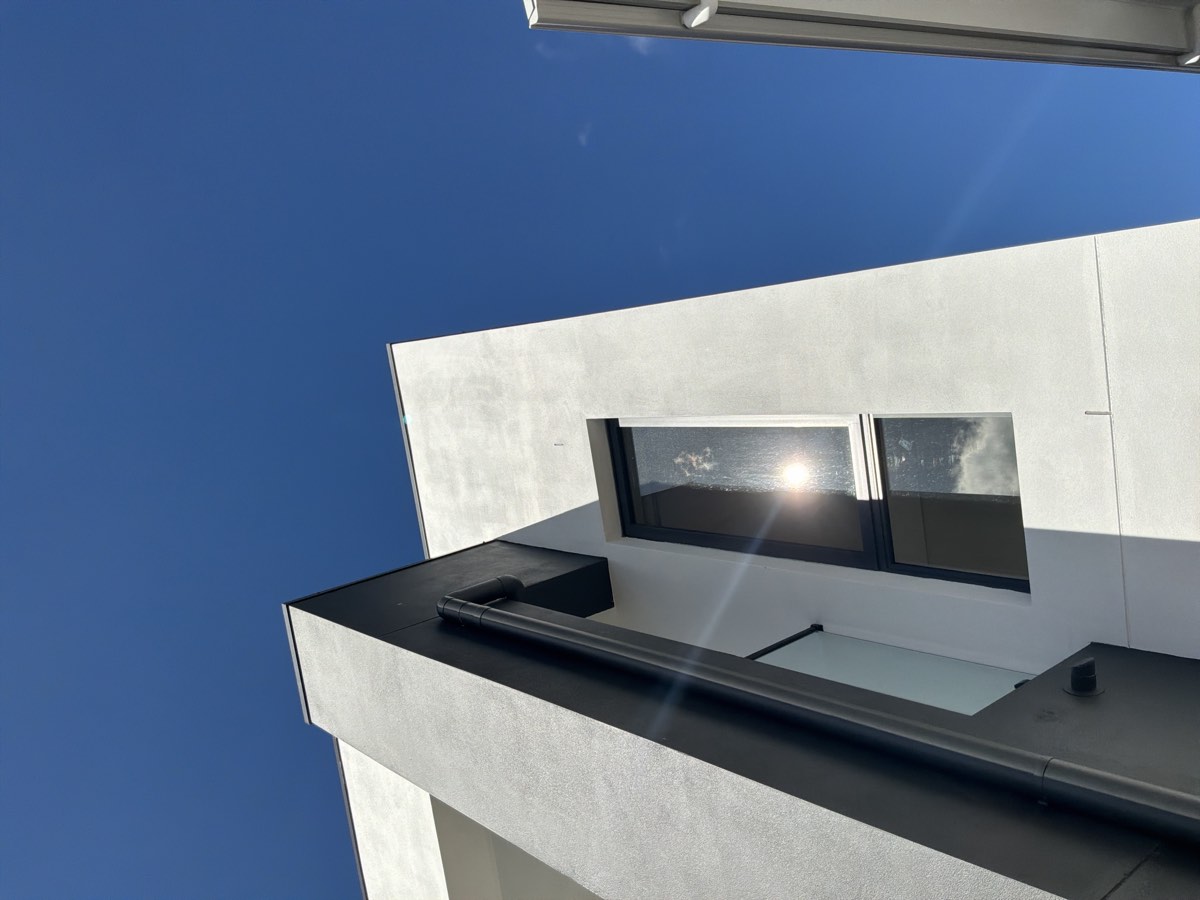
Examples from recent inspections around Riverstone.

 New Construction Stage Inspections Seven checks through a Riverstone build, written rather than illustrated.
 Pre-Handover (PCI) Inspections The service Riverstone books, and the detailed part of this site.
 Building and Pest Inspections Both inspections in one attendance, reported apart.
 Dilapidation Reports A dated baseline for your Riverstone home before demolition or civil works nearby.
 NCAT Expert Witness Reports Expert evidence to the tribunal's direction if a matter reaches it.
 Pre-Listing Inspections See the report a buyer's inspector will write, while timing is yours.
 Insurance Claim Assessments An impartial account of damage and cause for an assessor.
Instant online pricing for Riverstone, or contact the booking team.
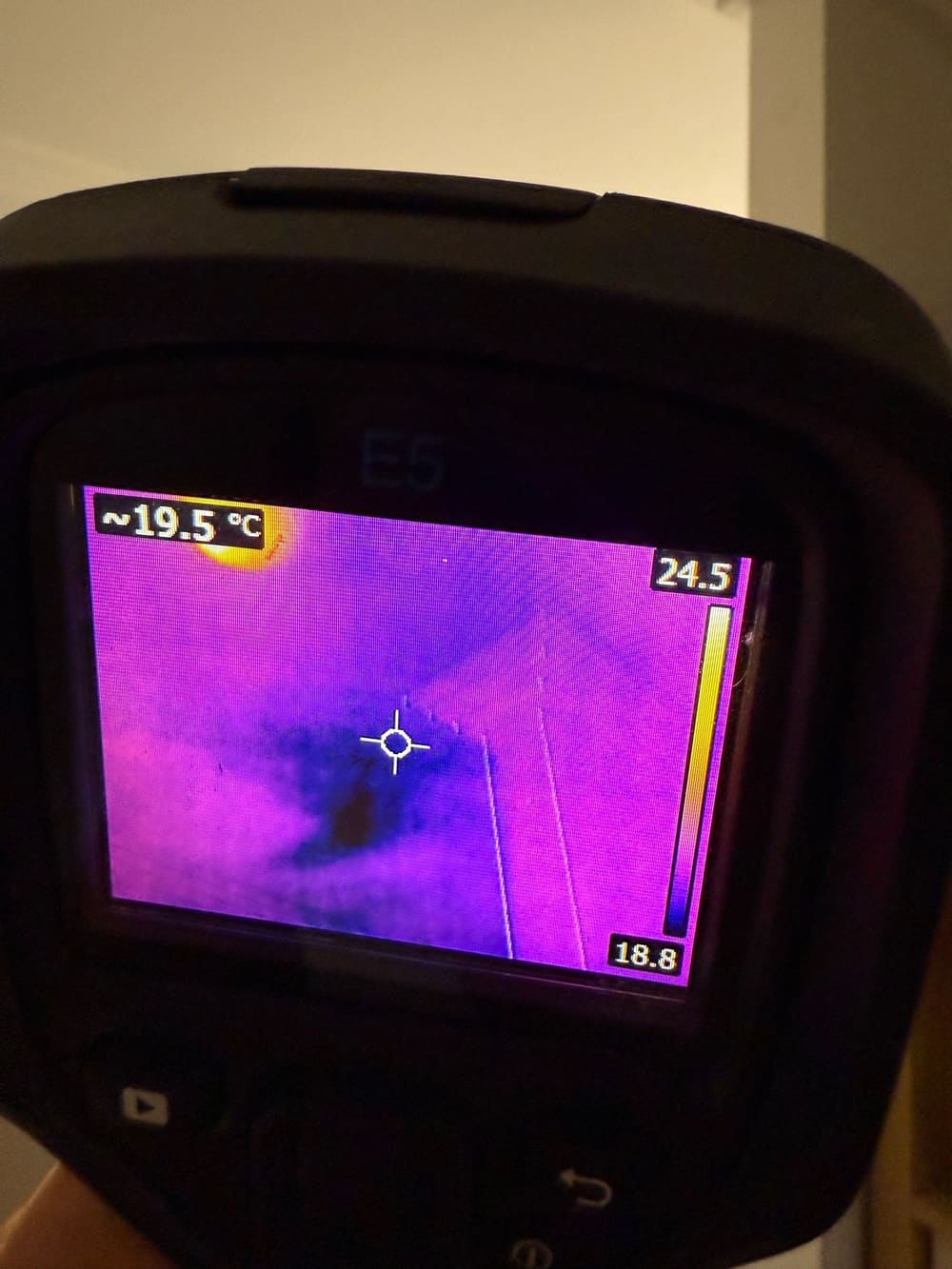
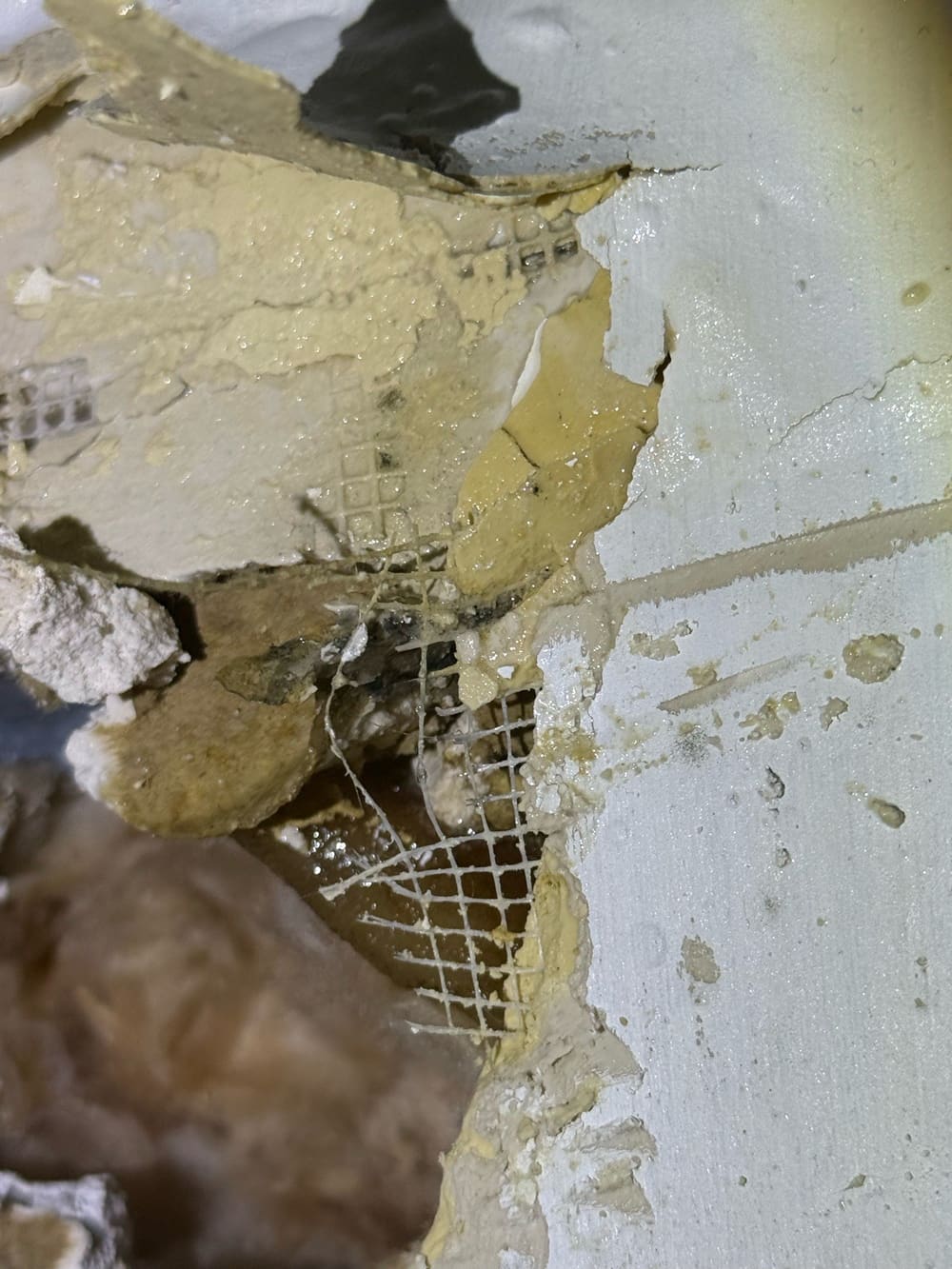
We map the visible mould, take moisture readings around it and use thermal imaging on surfaces where hidden damp is suspected. From there we trace the moisture back towards its likely source, inside the house and outside it. The written report then names that likely cause and the building work required to address it.
No. This is a building inspection of visible mould and the moisture behind it, so it does not name mould species or count airborne spores. NSW Health's advice is that since most mould can be seen, testing for it in the home is generally not necessary. If testing is needed, for instance because the source cannot be found, an occupational hygienist can take samples for laboratory analysis.
That is a question for a doctor, not a building inspector. People with asthma, allergies or breathing problems may be more sensitive to mould, according to NSW Health, which suggests seeing your doctor if health problems follow contact with it. Our part is the building: the likely source of the moisture, the repair it points to, and whether further testing is needed.
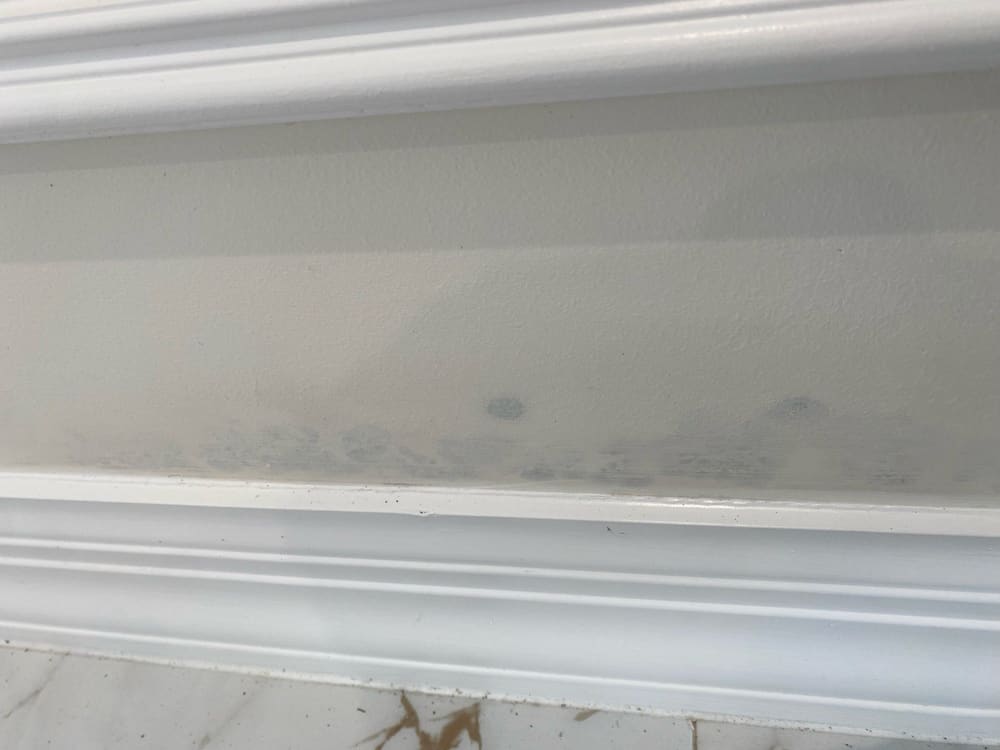
Condensation is the usual reason. Moist air from showers, cooking and clothes drying condenses on the coldest surfaces, often a ceiling below a gap in the insulation or a corner with little air movement. We check that the exhaust fans run, where they discharge and whether the room can clear its moisture. Under the NCC 2022 condensation provisions, a new house must discharge bathroom, laundry and kitchen exhaust to outdoor air rather than into the roof space.
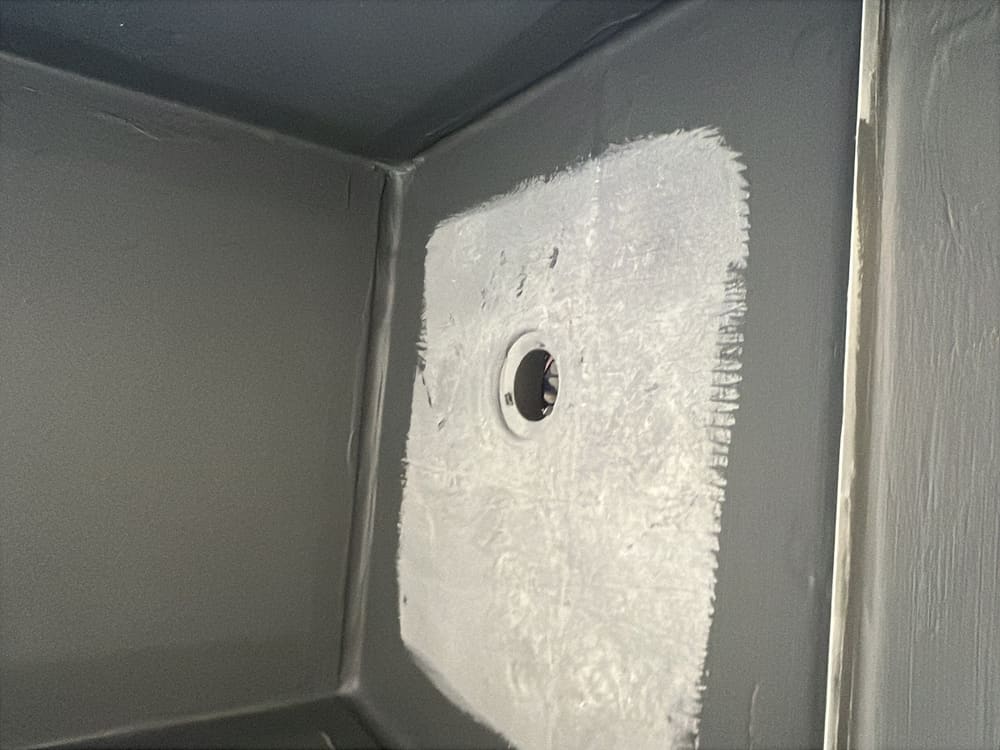
A leaking pipe, a failed seal at the hob or screen, or a waterproofing defect in the shower are all possible. High moisture readings at the base of the wall on the far side would support one of those. AS 3740 sets the waterproofing requirements for domestic wet areas, and confirming the source may need a plumber, the builder or further testing before the right repair is clear.
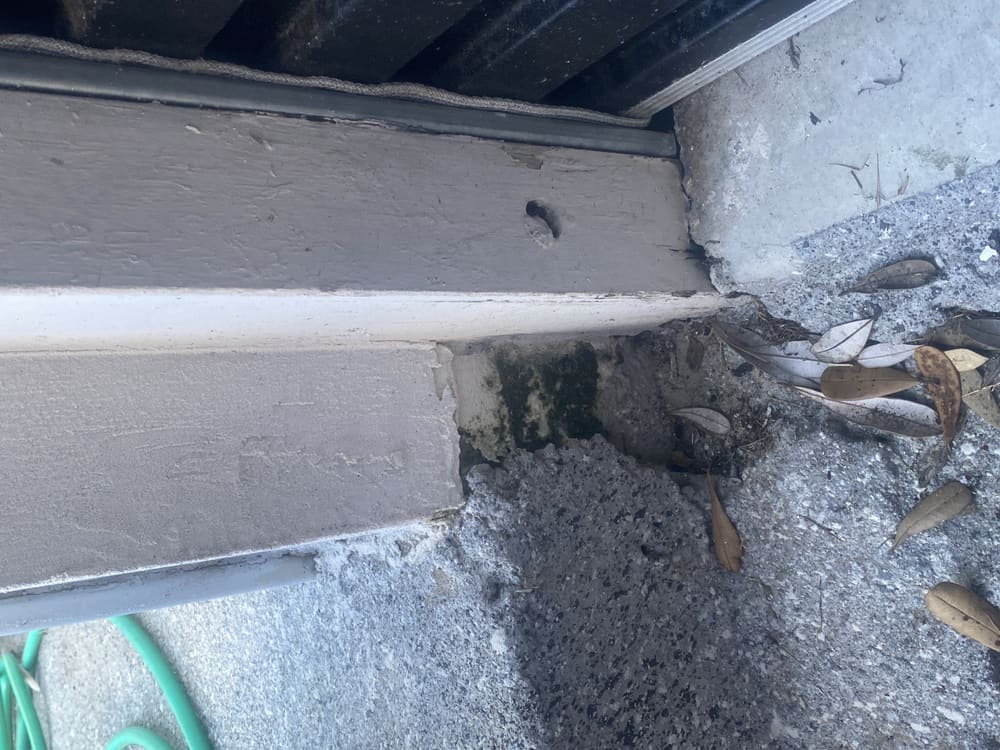
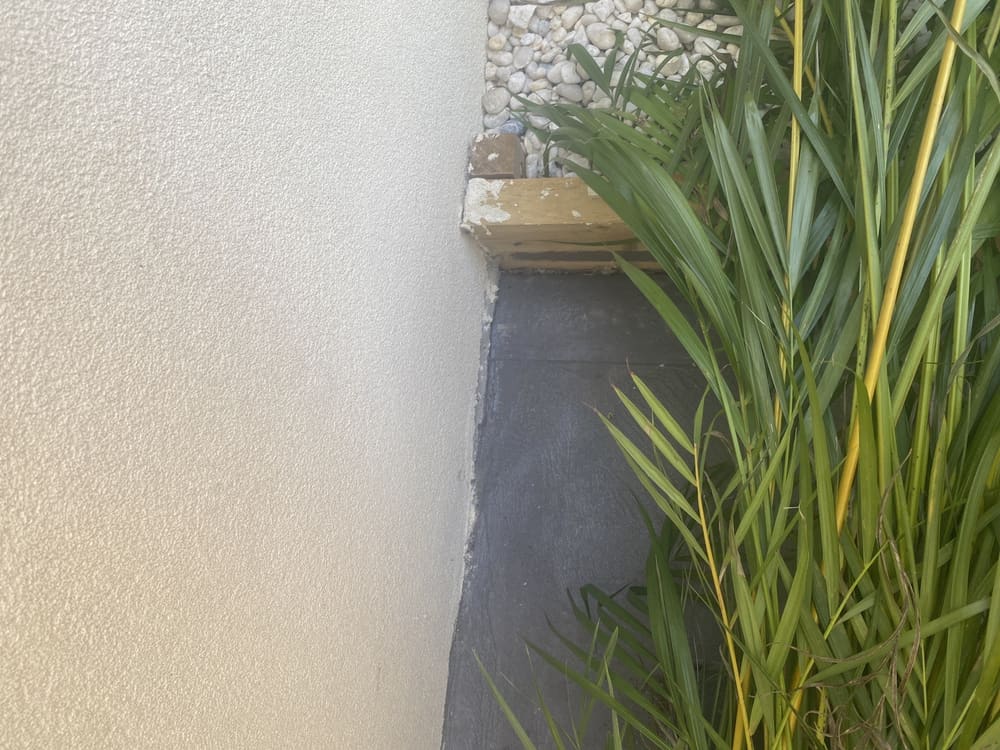
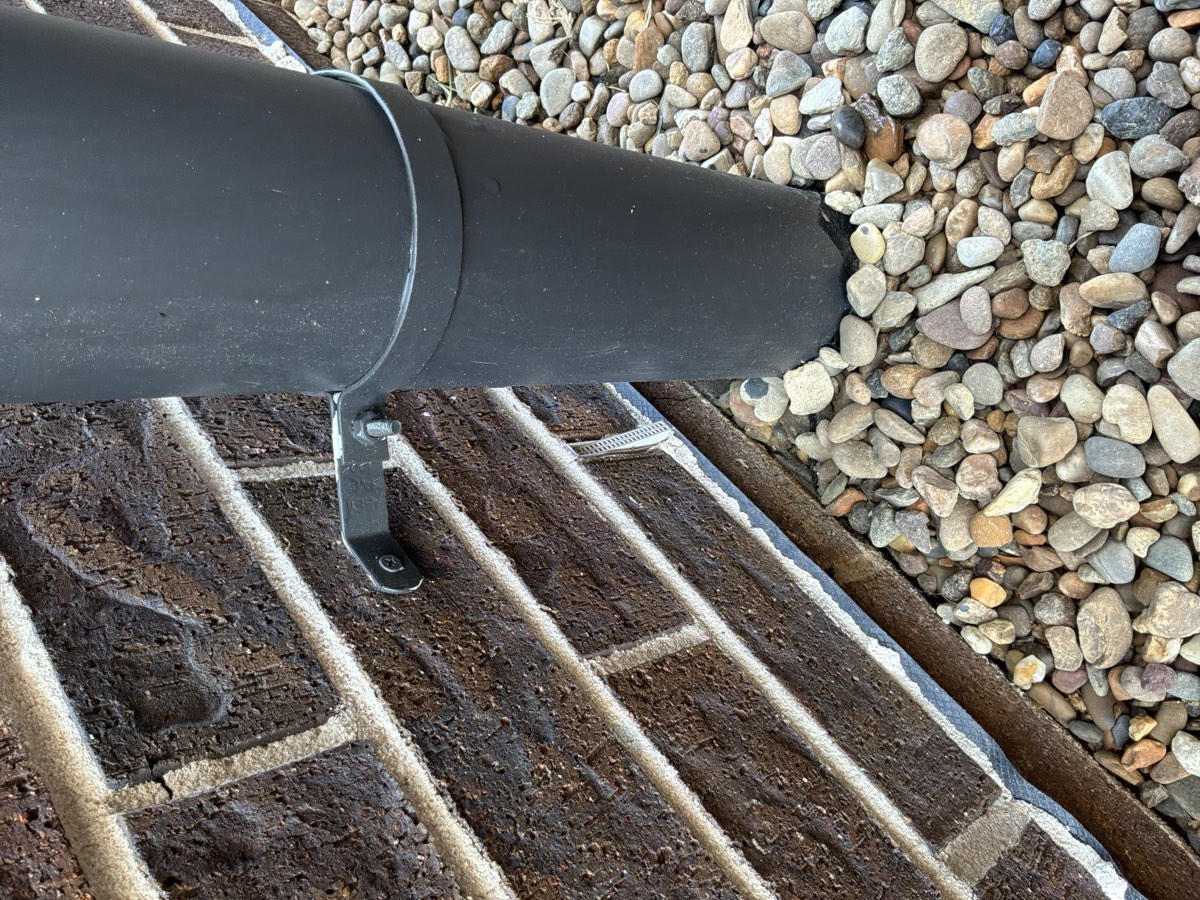
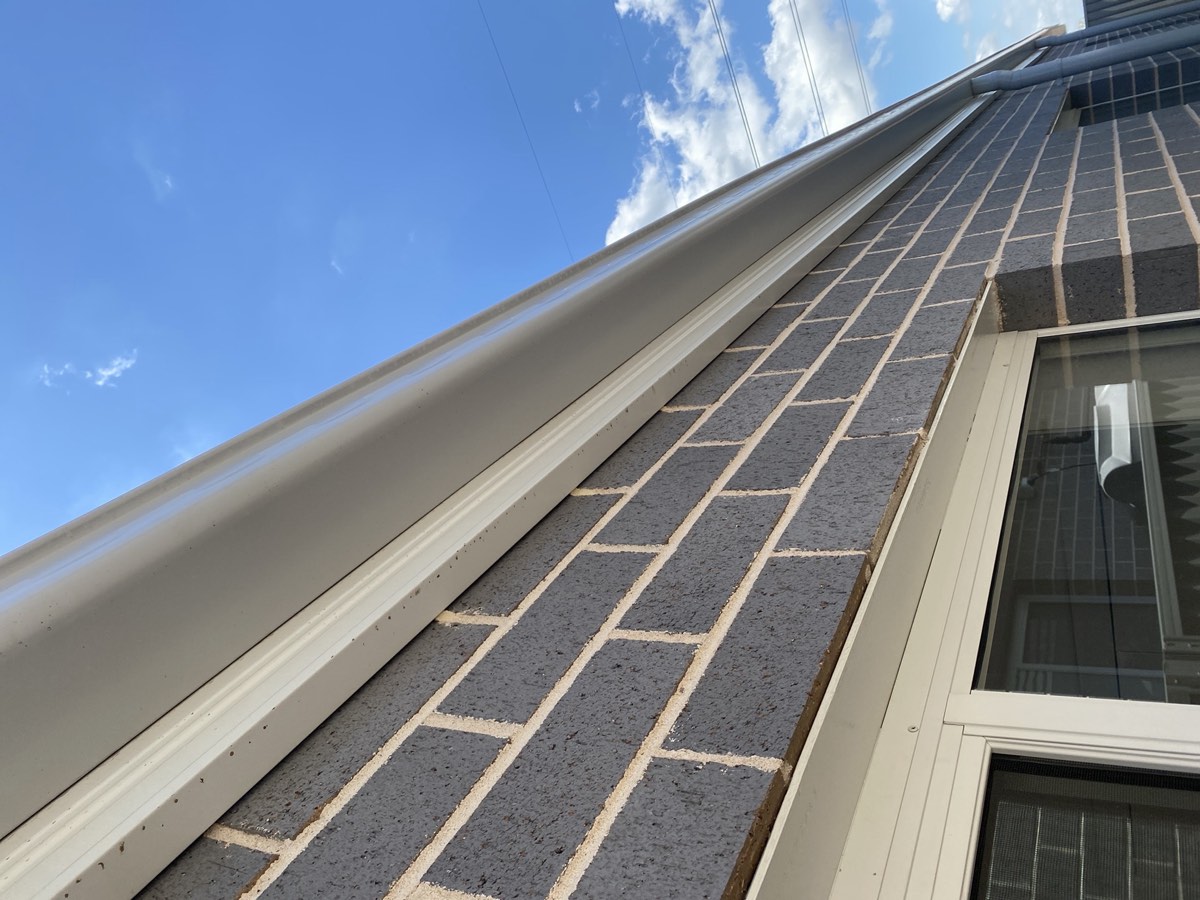
They can contribute. In a brick veneer wall, weep holes let water that gets into the cavity drain out above the flashings, and soil, paving or render laid over them keeps that water in. On newer Riverstone homes we look for weep holes that are missing, set too high or not sitting on their flashing, and for ground built up near the damp course.
According to NSW Fair Trading guidance, responsibility follows the cause. The landlord is responsible where mould comes from a defect they did not repair within a reasonable time or from inadequate ventilation, while a tenant may be responsible for trapping moisture, such as by never opening windows or not running the bathroom fan. Tenants must let the landlord or agent know as soon as mould or damp appears, and a report on the building cause gives both parties facts to work from.
The Home Building Act 1989 statutory warranties may apply when the mould is caused by defective building work. Both periods run from completion: six years for a major defect, two years for any other defect. Waterproofing is listed in NSW Government guidance as a major element of a building. Put it to the builder in writing and seek help from Building Commission NSW, and if a warranty deadline is getting close, lodge at NCAT in time instead of waiting.
Sampling, air testing, laboratory work and health advice are not included, and nor is anything destructive such as cutting linings or lifting tiles. Pressure testing of pipes, waterproofing certification and mould cleaning or removal are also outside the job. When the cause could only be confirmed by opening a wall or by a specialist test, the report spells that out and shows where.
It depends on the size of the house and the number of affected rooms, and the instant quote gives you the figure before you book. After the inspection you receive a written report with photographs, moisture readings and the likely cause.
Yes, including Grasslands, Northview, Parrington, Saffron Gardens, Heritage and Botanic Residences, as well as the older streets that predate them. We also inspect in Schofields, Vineyard, Colebee, Melonba and Box Hill, and across the wider north west growth area.