Moisture is the invitation
Ventilation, drainage and timber near the ground.



In short: How the conducive conditions we record in Riverstone connect to timber pest risk.
What a timber pest inspection is
AS 4349.3: an inspection reporting evidence of timber pests and the conditions that encourage them. It is not a treatment and it never guarantees a property is free of pests.
Conducive conditions
Poor subfloor ventilation, water discharging beside the slab, garden beds against the wall, timber in contact with soil, and stored timber under the house.
The Riverstone link
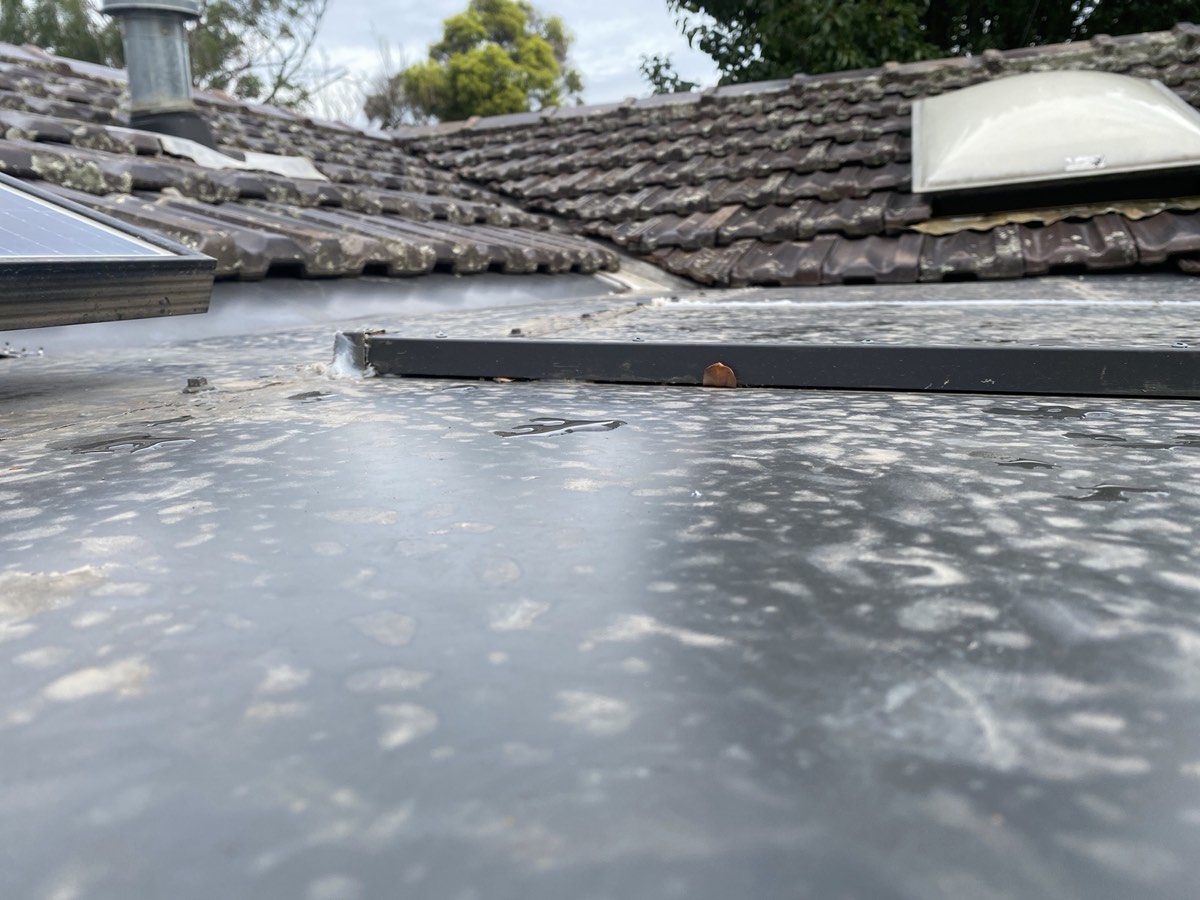
We recorded insufficient ventilation and water discharging onto the ground on handover jobs here. Both are conducive conditions in exactly the sense the standard means.
Why certainty is not on offer
Termites work concealed inside timber. An inspector who guarantees a property is clear is promising something no method supports.
What to do with the report
Clear the conducive conditions, and act on any evidence through a licensed pest controller who provides the treatment and its warranty.
Written by the Owner Inspections team from inspections carried out in Riverstone. Licensed building practitioners, NSW Fair Trading licence 366177C.