Weep holes, flashings and the brick cavity in Riverstone NSW
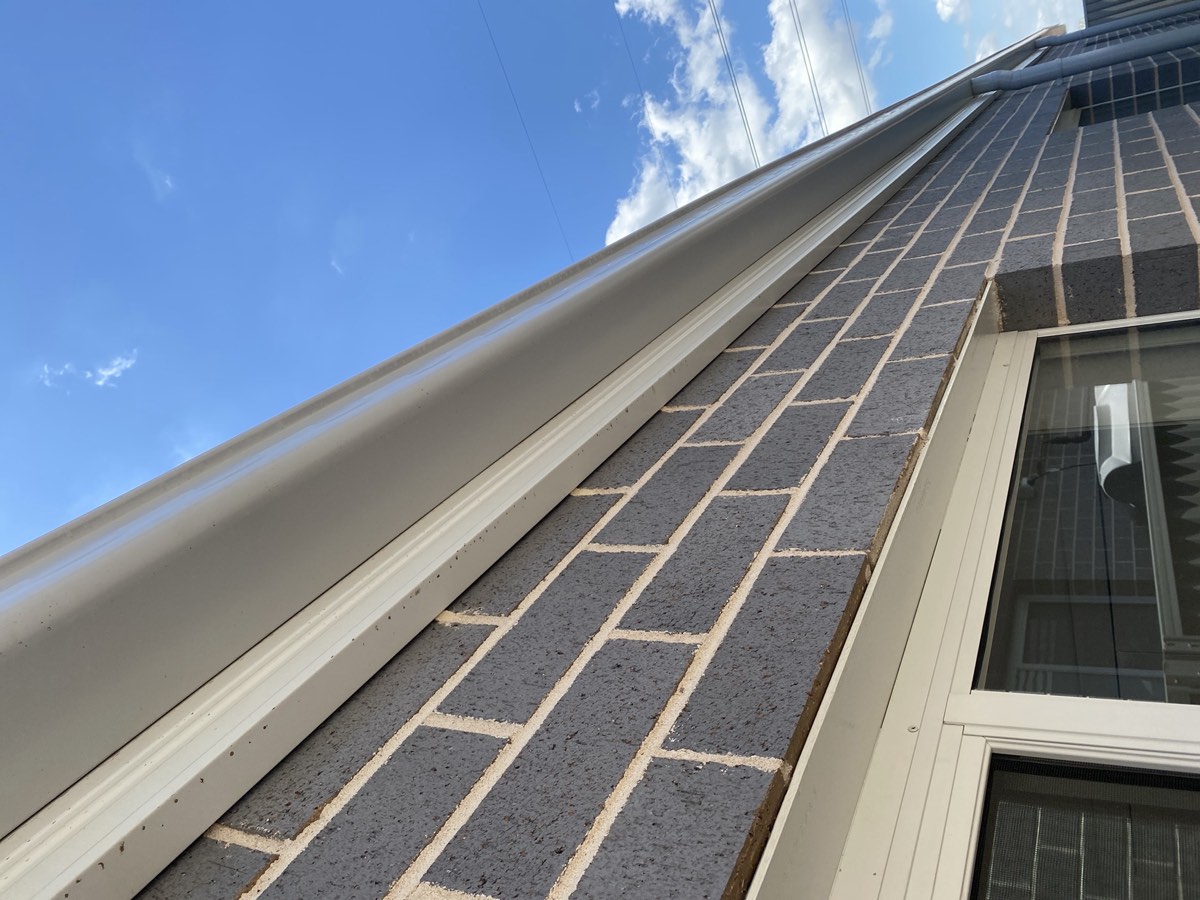
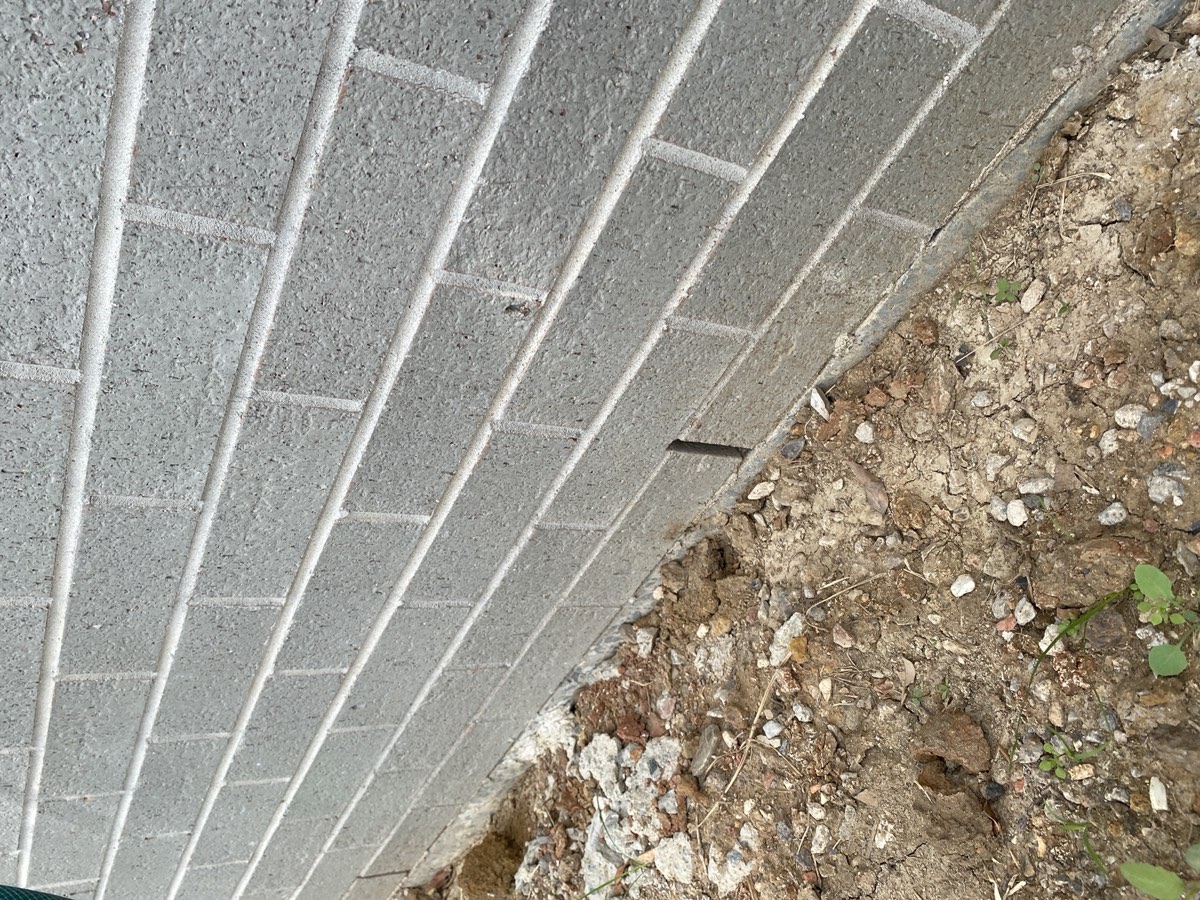
A cavity brick wall is designed to leak. Water passes through the outer skin, runs down the inside face, lands on a flashing and leaves through a weep hole. Three things have to be true for that to work: the weep hole has to exist, it has to sit at the flashing rather than above it, and the flashing has to carry the water to it. Our Riverstone reports record all three failing. Weep holes missing altogether. Weep holes set higher than they should be. Weep holes not sitting on their flashing. Each one leaves water inside a wall that was designed to let it out.




More about Riverstone
- Building a new home in Riverstone NSW
- Buying an established home in Riverstone NSW
- Growth and development in Riverstone NSW
- Certifiers, council and disputes in Riverstone NSW
- Ground, water and flooding in Riverstone NSW
- What our inspectors find in Riverstone NSW
- Handover and the statutory warranty clock in Riverstone NSW
Written by the Owner Inspections team from inspections carried out in Riverstone. Licensed building practitioners, NSW Fair Trading licence 366177C.